

Key Takeaways
- Pogo pins are spring-loaded connectors commonly used in charging docks, test fixtures, and circuit boards to create quick, reliable, and non-permanent electrical connections.
- These connectors are vital for applications requiring frequent connect/disconnect cycles, such as automated testing equipment, modular electronics, and wearable devices.
- Choosing the right pogo pin setup involves considering material compatibility, contact reliability, and mechanical design constraints to ensure optimal performance and durability.
- Recent innovations include magnetic pogo pin systems for waterproof and quick-release wearable devices, as well as high-current solutions for robotics and industrial automation.
- Manufacturers like Promax offer customizable pogo pin solutions, supporting a wide range of industries from consumer electronics to medical and aerospace applications.
Pogo pins are spring-loaded connectors integrated into charging docks, test fixtures, and circuit boards across consumer electronics, medical devices, and aerospace applications. These versatile components enable quick, reliable electrical connections in smartphones, tablets, wearables, and automated testing equipment without requiring permanent soldering. Engineers commonly specify Promax Pogo Pin solutions for applications demanding frequent connect/disconnect cycles, including battery charging stations, diagnostic equipment, and modular electronic assemblies where connection reliability and durability are essential.
Understanding Pogo Pins and Their Uses
Pogo pins, known as spring-loaded contacts, connect electronic circuits quickly without permanent attachment. Engineers and manufacturers use pogo pins for battery charging, data transfer, and signal communication in devices like smartphones, tablets, and wearables. PCBs and testing equipment often include pogo pin interfaces to support high-cycle connections during assembly, diagnostics, and functional tests.
Product designers integrate pogo pins into charging docks and test fixtures to ensure fast, repeatable contact. These connectors support applications in consumer electronics, aerospace electronics, and medical devices. Companies like Promax in China manufacture spring-loaded pins with gold plating, stainless steel barrels, and custom tip shapes for reliability and precise fit. Promax supplies standard and custom pogo pin modules to global brands, supporting automated production lines and flexible prototyping requirements.
Connection solutions using pogo pins improve electrical connection integrity and support miniaturized device interfaces. Testing systems often rely on pogo pin arrays for simultaneous multi-point contact. Custom tooling and material grades from manufacturers like Promax further provide low-contact resistance and long operational life, addressing requirements for high-reliability sectors.
Common Devices and Components for Pogo Pin Connections
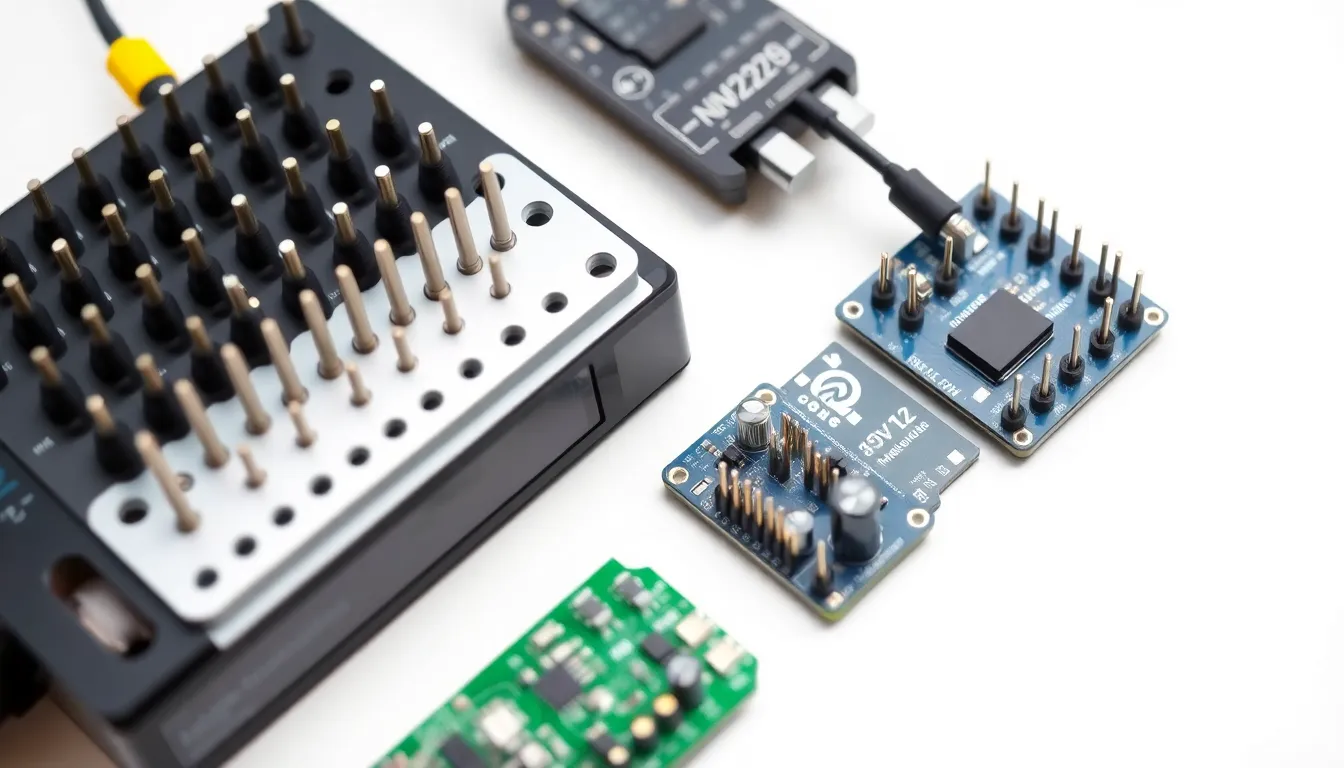
Pogo pins enable secure, high-cycle connections in electronic assembly and device interfaces. Promax manufactures pogo pin connectors with gold-plated contacts and custom tip shapes that meet the connection demands of modern devices.
Test Fixtures and Jigs
Test fixtures and jigs use pogo pin arrays for reliable, repeatable connections during PCB assembly and end-of-line functional testing. Fixture designs might use hundreds of spring-loaded pins for automated circuit testing where quick contact changes are required. Promax supplies custom test pogo pins compatible with tight-tolerance manufacturing and high pin-count setups, supporting use in semiconductor, medical, and telecom equipment. Applications include bed-of-nails testers, diagnostic modules, and multi-point signal verification, where longevity and contact stability are critical.
Charging and Docking Stations
Charging and docking stations integrate pogo pin connectors to provide power delivery and data transfer for handheld devices, wearables, and medical instruments. Engineers select spring-loaded contacts for charging cradles, barcode scanner docks, and wireless headset holders, favoring their resistance to debris and long cycle life. Promax offers magnetic pogo pin assemblies designed to align connectors precisely, improving user experience and reducing connector wear in mission-critical and everyday charge bases.
Circuit Boards and Modules
Circuit boards and modules rely on pogo pin sockets to support modularity, programming, and functional testing without permanent soldering. PCBs use pin headers for removable module interfaces, in-circuit programming, and device-to-board connections. Promax customizes pogo pin pitch, current rating, and housing geometry to meet specific board density and footprint requirements, serving industries from consumer electronics to aerospace. Applications include daughterboard interfaces, data acquisition modules, and communication test points, where frequent insertions and removals are part of the operational cycle.
Considerations for Choosing What to Put Pogo Pins Into
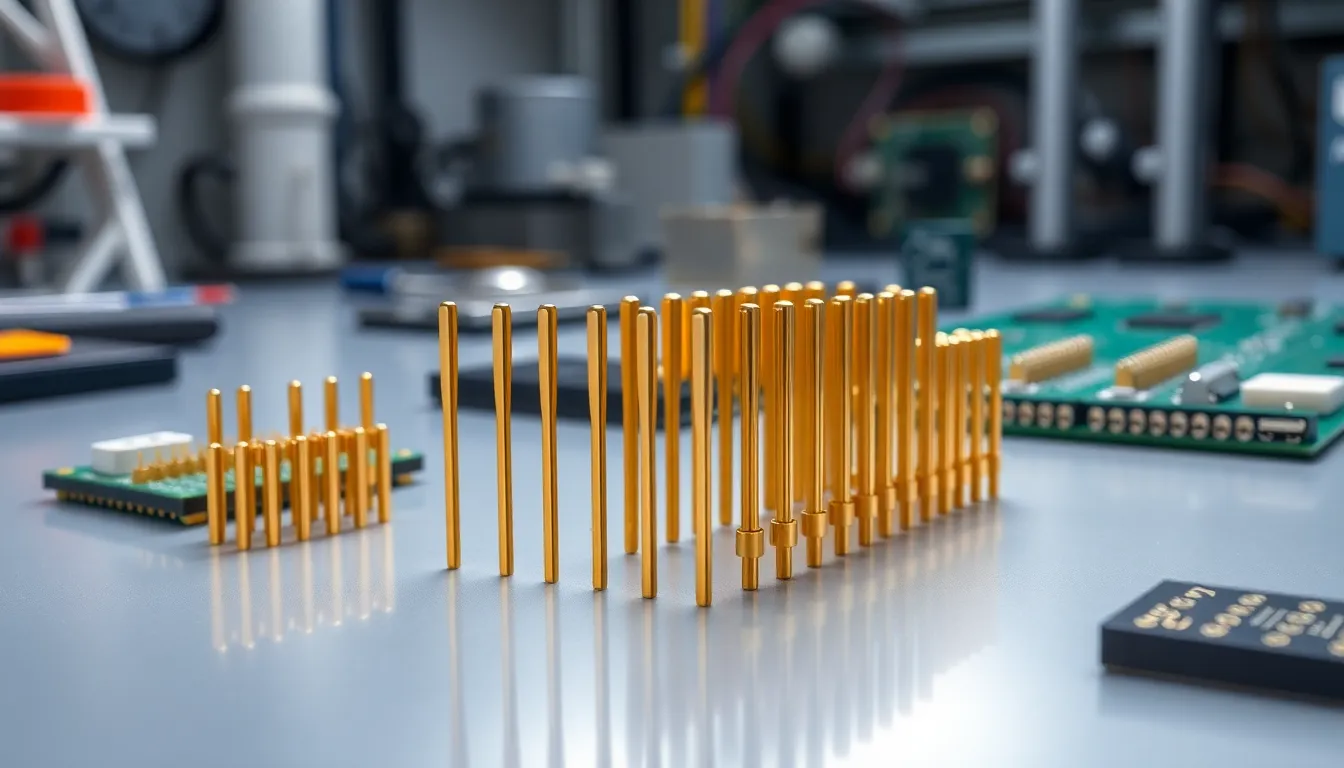
Selecting the right application for pogo pins impacts both connection performance and operational life. Engineers weigh key factors before integrating pogo pins with electronic assemblies or test equipment.
Material Compatibility
Material compatibility between pogo pins and mating surfaces affects conductivity and long-term reliability. Brass, phosphor bronze, and beryllium copper serve as core pin materials, with gold plating enhancing corrosion resistance and contact integrity. When connecting pogo pins to gold-plated pads on a PCB, similar materials reduce the risk of galvanic corrosion. Promax manufactures pins with custom plating options to match the target material set, supporting reliability in harsh environments such as aerospace or medical assemblies.
Contact Reliability
Contact reliability determines consistent low-resistance connections and device uptime. Spring force, tip geometry, and plating thickness impact electrical contact quality. Applications requiring repeated mated cycles, such as device docking or automated test equipment, need pins rated for over 100,000 cycles. Promax offers pogo pins with tight tolerances and multi-layer coatings that minimize resistance fluctuations, supporting stable signal and power delivery in compact consumer devices and precision instrumentation.
Mechanical Design Constraints
Mechanical design constraints influence what assemblies can accept pogo pins. Pin size, travel length, and mounting style must fit physical housing and target interfaces. High-density or miniaturized devices, such as wearable electronics or handheld instruments, require short-stroke, fine-pitch pins. Promax develops pogo pins as small as 0.35 mm in diameter and tailors pin length, diameter, and retention features to match customer component profiles, optimizing fit within tight mechanical envelopes or custom test fixtures.
Innovations and Emerging Applications
Pogo pin integration now supports advanced magnetic connector systems in medical wearables. Device designers use these spring-loaded contacts for waterproof and quick-release features on smart bands, portable health monitors, and insulin pumps. Manufacturers like Promax deliver pogo pins with custom housings and magnetic alignment for reliable fit, even with repeated flex or movement.
Battery-swap robotics and automated guided vehicles (AGVs) employ high-current pogo pins in their docking interfaces for fast, no-solder battery changes. Promax supplies pogo pins rated for cycles exceeding 100,000 insertions to meet industrial robotics demands where system uptime and precision are critical.
RFID scanners and modular IoT gateways depend on spring-loaded pins for hot-swappable modules, enabling rapid maintenance or upgrades on-site. Promax engineers spring pins for these applications with custom tip shapes for secure signal contacts in compact footprints.
Medical diagnostic probes, disposable sensor cartridges, and dental imaging platforms feature pogo pin sockets that maintain reliable connections through sterilization and frequent replacement. OEMs specify gold-plated Promax pogo pins to minimize signal degradation and support stringent hygiene requirements.
Foldable smartphones, AR headsets, and noise-canceling earbuds use custom pogo pin arrays from Promax for compact charging, multi-channel audio, and touch data transmission, meeting high-density and limited-space constraints in next-generation consumer devices.
About Promax
Promax, located in Gary, IN, specialises in manufacturing high-quality pogo pins, spring-loaded connectors, and magnetic connectors for various industries, including consumer electronics, aerospace, and medical.
Led by Manager Gavin, Promax has over 15 years of experience in providing customizable solutions tailored to the specific needs of clients. With a focus on competitive pricing and internationally certified quality standards, Promax delivers reliable and precision-engineered products that meet the highest standards of performance.
Contact:
Gavin, Manager
Phone: (765) 705-7361
Email: [email protected]
Address: 480 Jackson St, Gary, IN 46402, USA
Website: www.promaxpogopin.com (if applicable)
Frequently Asked Questions
What are pogo pins and what are they used for?
Pogo pins, also known as spring-loaded connectors, are small pins used to create temporary and reliable electrical contact in electronic devices. They are commonly used for charging, data transfer, and testing in devices like smartphones, test equipment, wearables, and docking stations.
Why are pogo pins preferred over traditional soldered connections?
Pogo pins allow for quick, secure, and removable connections without soldering. This makes assembly, diagnostics, and functional testing easier and more efficient, especially when frequent connections and disconnections are needed.
Where are pogo pins most commonly used?
Pogo pins are found in consumer electronics, test fixtures, circuit boards, charging docks, medical devices, aerospace components, and any device requiring high-cycle, reliable electrical connections.
How do pogo pin arrays benefit testing equipment?
Pogo pin arrays enable simultaneous multi-point contact with circuit boards during testing, assembly, or programming. They provide fast, consistent connections without permanent attachment, improving testing speed and accuracy.
What factors should be considered when choosing pogo pins for an application?
Consider the pin material and plating (like brass and gold for conductivity and durability), tip geometry, required spring force, pin size, travel length, and compatibility with the device’s design and environment to ensure optimal performance and reliability.
Are pogo pins reliable for high-cycle applications?
Yes, quality pogo pins, such as those from Promax, are designed for high-cycle use, often exceeding 100,000 connection cycles while maintaining low contact resistance and high reliability.
Can pogo pins handle both power and data transfer?
Yes, pogo pins can be designed to handle both power delivery and data transmission, making them suitable for charging and communication in devices like smartphones, wearables, and modular electronics.
What are some emerging applications for pogo pins?
Innovative uses include magnetic waterproof connectors for medical wearables, high-current battery-swap robotics, hot-swappable IoT modules, AR headsets, and foldable smartphones, where compact and durable connections are essential.
Are custom pogo pins available for specialized devices?
Yes, leading manufacturers like Promax offer custom pogo pin designs tailored for specific applications, including unique shapes, materials, and sizes to meet the needs of industries like medical, aerospace, and high-density electronics.